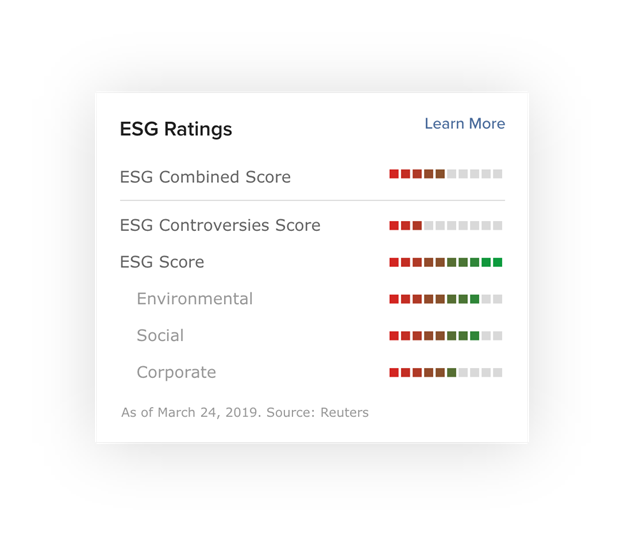
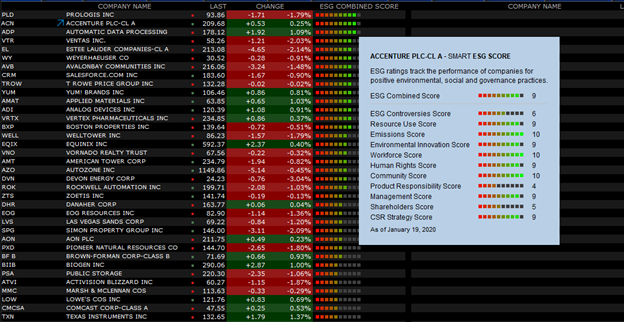
ESG investing stands for Environmental, Social, and Governance investing. It is an approach to investing that integrates these three key factors into the decision-making process to manage risk, generate sustainable returns, and have a positive impact on society and the environment.
Here’s what each component represents:
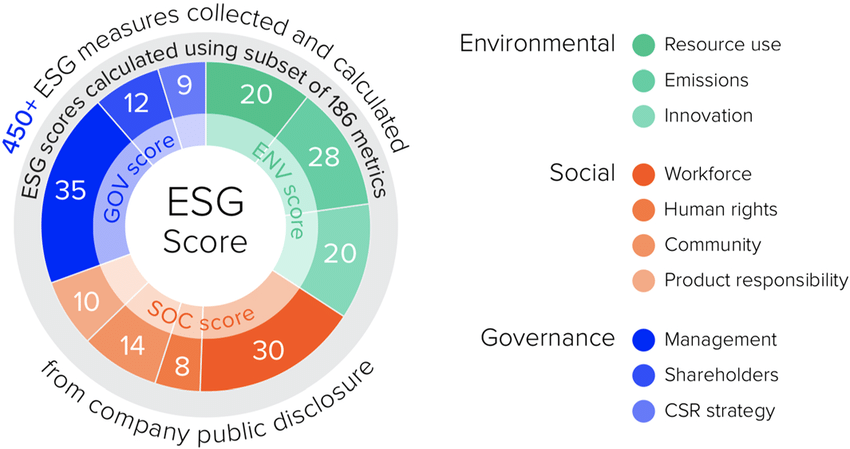
Environmental (E): Focuses on how companies address environmental challenges, including climate change, pollution, resource depletion, biodiversity, and renewable energy use.
Social (S): Addresses a company’s impact on society, considering factors such as employee well-being, diversity and inclusion, human rights, consumer protection, and community engagement.
Governance (G): Relates to company leadership, ethical standards, executive compensation, transparency, shareholder rights, and accountability.
Investors use ESG criteria to screen investments, select stocks, manage risk, and create portfolios aligned with ethical values and long-term sustainability goals. ESG investing can range from exclusionary (avoiding companies that don’t meet ESG standards) to proactive impact investing (targeting companies that actively contribute to positive ESG outcomes).